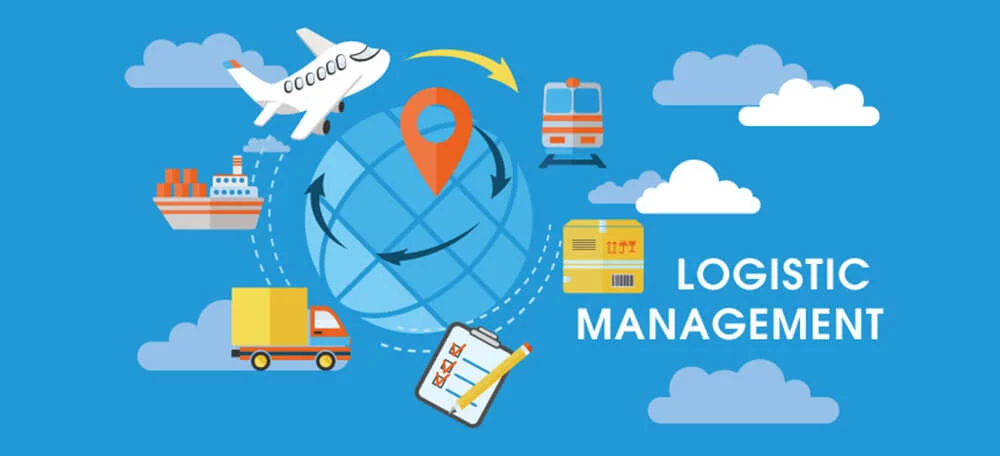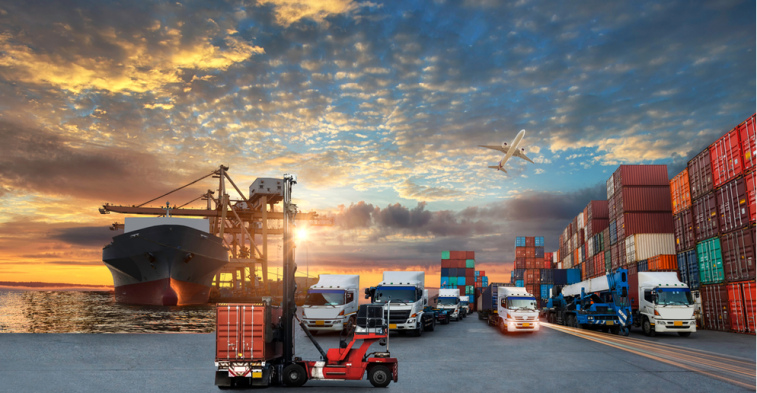
Smart transportation systems are revolutionizing global supply chains by enhancing efficiency, transparency, and sustainability. With advancements in technology, these systems are addressing logistical challenges and creating new opportunities for businesses worldwide. Here’s how smart transportation is transforming supply chains.
1. Enhanced Efficiency
Smart transportation systems use technologies such as the Internet of Things (IoT), artificial intelligence (AI), and big data analytics to optimize logistics and operations. IoT devices provide real-time tracking of vehicles and goods, allowing companies to monitor progress and make data-driven decisions. AI algorithms analyze traffic patterns and suggest optimal routes, reducing delivery times and fuel costs. This efficiency leads to faster response times and improved customer satisfaction.
2. Improved Transparency and Visibility
Transparency is crucial in modern supply chains, and smart transportation provides end-to-end visibility. GPS tracking and IoT sensors offer real-time data on shipment location, condition, and status. This transparency allows stakeholders to monitor the entire supply chain, predict potential disruptions, and enhance communication. Increased visibility helps build trust with customers and partners by providing accurate information on delivery schedules and inventory status.
3. Cost Reduction
By optimizing routes and reducing fuel consumption, smart transportation systems can significantly lower operational costs. Predictive analytics forecast demand and optimize asset utilization, minimizing empty backhauls and underutilized resources. Automated systems reduce paperwork and labor costs, while real-time monitoring prevents costly delays and inefficiencies. These cost savings contribute to more competitive pricing and increased profitability.
4. Increased Safety and Security
Smart transportation systems enhance safety by incorporating technology such as telematics and advanced driver-assistance systems (ADAS). Telematics provide data on driver behavior and vehicle condition, enabling proactive maintenance and driver training. ADAS, including collision avoidance and lane-keeping systems, reduce the risk of accidents. Enhanced security measures, such as blockchain technology, ensure the integrity of goods, minimizing the risk of theft and fraud.
5. Environmental Sustainability
Sustainability is a growing concern for global supply chains, and smart transportation systems play a vital role in reducing environmental impact. Optimized routes and efficient vehicle operation cut fuel consumption and emissions. Moreover, integrating electric and hybrid vehicles into fleets contributes to greener logistics. By incorporating sustainability into logistics strategies, companies can meet regulatory requirements and fulfill corporate social responsibility goals.
6. Flexibility and Adaptability
Smart transportation systems enable greater flexibility and adaptability within supply chains. Real-time data and analytics allow companies to respond quickly to disruptions such as weather events or logistical bottlenecks. Dynamic routing and scheduling can adapt to changing conditions, maintaining service levels even in challenging circumstances. This agility ensures supply chain resilience and continuity.
7. Integration with Other Technologies
Smart transportation systems often integrate with other advanced technologies, enhancing their impact on supply chains. For example, combining IoT with blockchain technology ensures secure and transparent data sharing across stakeholders. Integration with warehouse automation and robotics further streamlines operations, creating a seamless end-to-end supply chain experience.
8. Enhanced Customer Experience
By improving efficiency, transparency, and reliability, smart transportation systems enhance the overall customer experience. Real-time tracking provides customers with accurate delivery information and updates, reducing uncertainty and improving satisfaction. Quick, reliable service fosters customer loyalty and strengthens brand reputation, ultimately driving business success.
In conclusion, smart transportation systems are revolutionizing global supply chains by introducing advanced technologies that enhance efficiency, transparency, and sustainability. By optimizing logistics, reducing costs, increasing safety, and promoting environmental responsibility, these systems are reshaping the way goods are transported worldwide. As technology continues to advance, the integration and evolution of smart transportation systems will further transform supply chains, driving innovation and competitiveness in the global market.