Efficient logistics and transportation planning are critical components of successful supply chain management. By optimizing delivery and distribution, businesses can enhance operational efficiency, reduce costs, and improve customer satisfaction. Here’s how businesses optimize these aspects to thrive in today’s competitive market.
1. Advanced Route Optimization
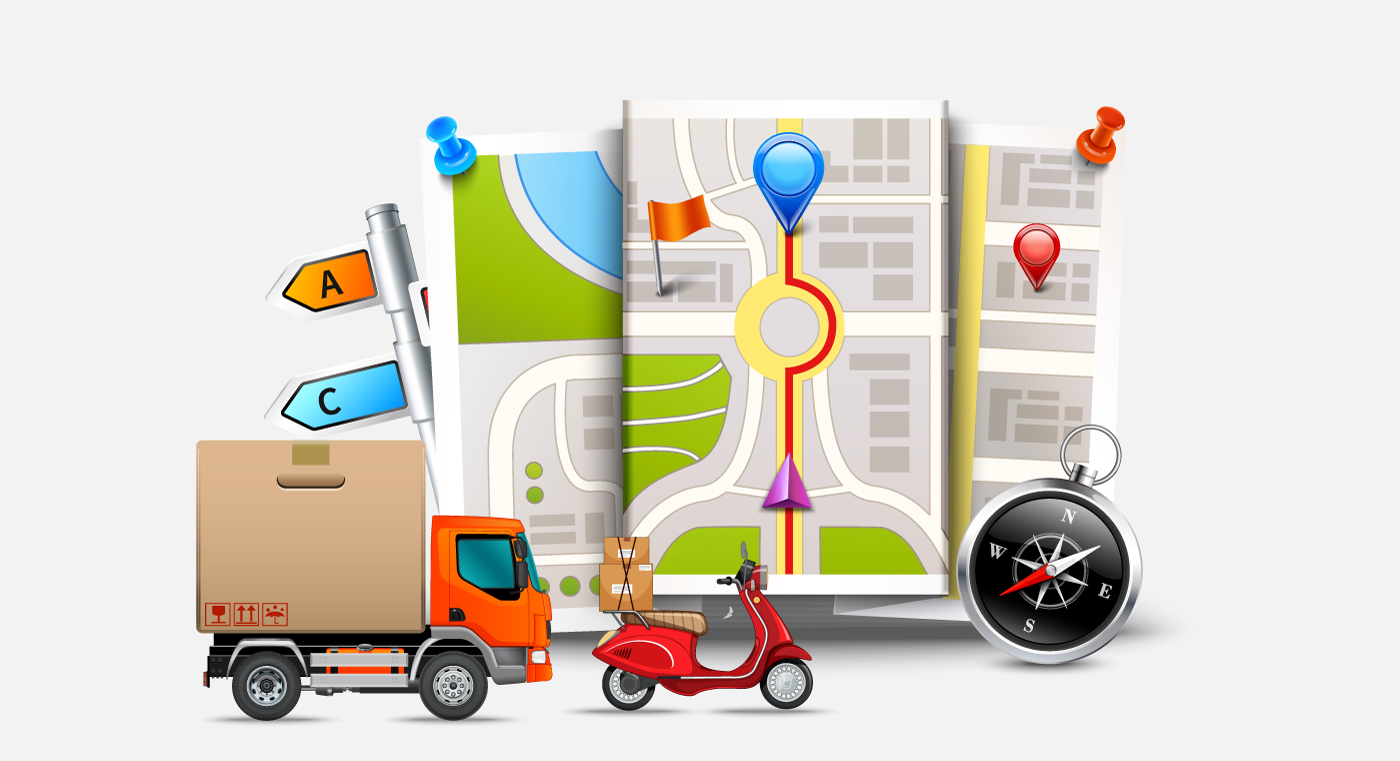
Route optimization is crucial for minimizing delivery times and fuel consumption. Businesses use sophisticated software that analyzes real-time data, traffic conditions, and delivery windows to determine the most efficient routes. Dynamic routing allows for adjustments on the fly, ensuring punctual deliveries and cost savings.
2. Real-time Tracking and Visibility
Integrating real-time tracking systems provides end-to-end visibility of shipments. GPS and IoT technologies allow businesses to monitor the progress and condition of goods, offering insights into potential delays or issues. This transparency enhances communication with stakeholders and helps build trust with customers by providing accurate delivery timelines.
3. Demand Forecasting and Inventory Management
Accurate demand forecasting and inventory management are essential for optimizing delivery and distribution. Businesses use data analytics and AI to predict demand fluctuations and manage inventory levels efficiently. This approach ensures the right products are available at the right time, reducing stockouts and excess inventory costs.
4. Load Optimization and Consolidation
Maximizing load capacity is a key strategy for reducing transportation costs. Load optimization techniques ensure vehicles are fully utilized, while consolidation strategies combine multiple shipments into fewer deliveries. This practice decreases the number of trips required, leading to lower fuel consumption and improved efficiency.
5. Embracing Technology and Automation
The adoption of technology and automation streamlines logistics processes. Automated systems for scheduling, inventory tracking, and documentation reduce human error and save time. Technologies like blockchain enhance data integrity and security, ensuring transparent and efficient supply chain operations.
6. Utilizing Intermodal Transportation
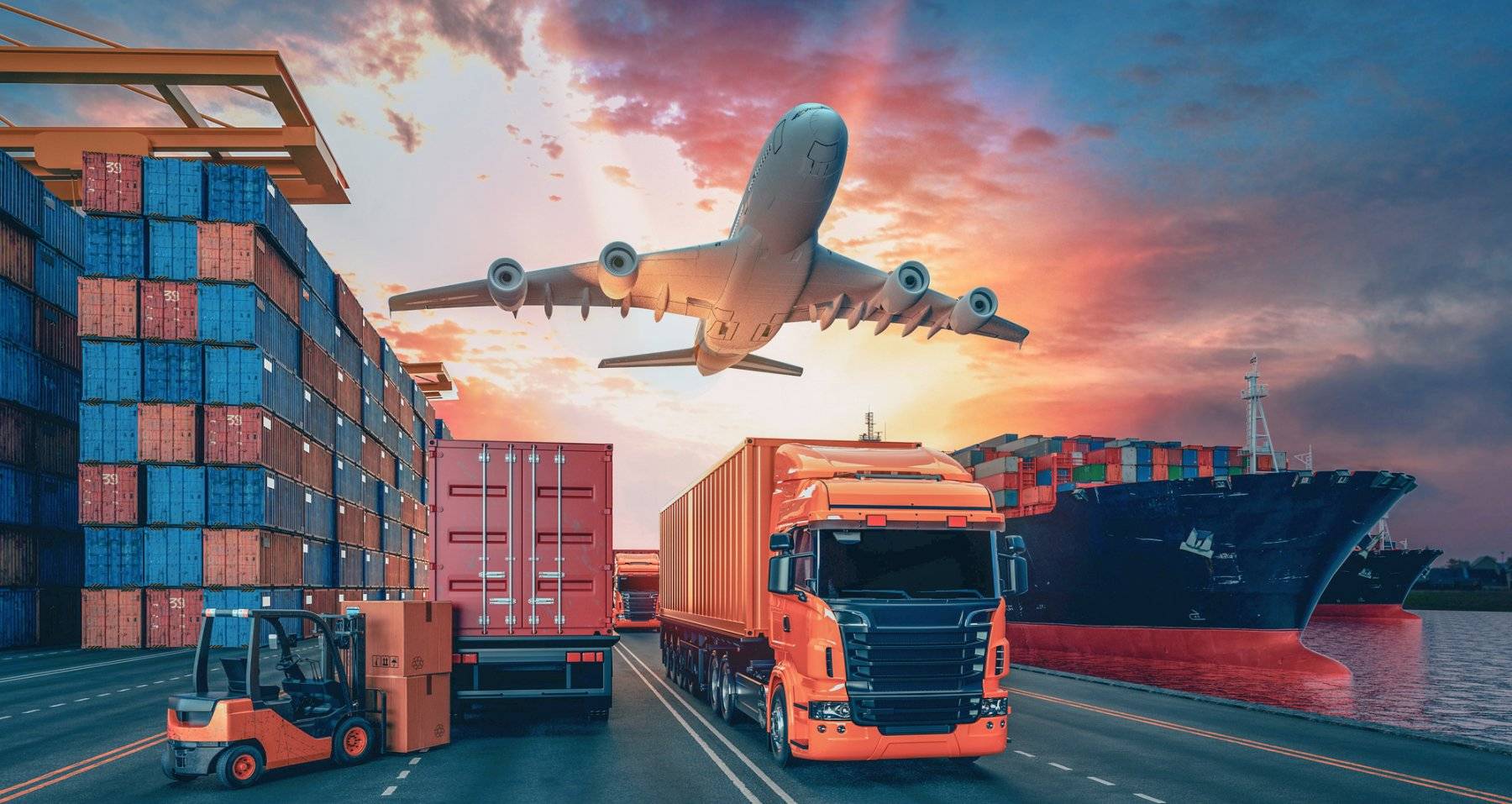
Intermodal transportation combines multiple modes of transport, such as road, rail, and sea, to create flexible and cost-effective logistics solutions. By leveraging the strengths of each mode, businesses can reduce transit times and costs. Intermodal approaches are particularly beneficial for long-distance and international shipping.
7. Sustainable Practices
Implementing sustainable logistics practices is increasingly important. Businesses adopt eco-friendly vehicles, optimize routes, and use alternative fuels to reduce carbon emissions and operational costs. Sustainable practices not only meet regulatory standards but also enhance a company’s reputation among environmentally conscious consumers.
8. Enhancing Collaboration and Communication
Effective communication among supply chain partners is essential for optimizing logistics. Integrated platforms facilitate seamless information sharing with manufacturers, suppliers, and distributors. This collaboration improves decision-making, minimizes misunderstandings, and ensures alignment across the supply chain.
9. Risk Management and Contingency Planning
Developing robust risk management strategies helps navigate disruptions. Identifying potential vulnerabilities and creating contingency plans ensures business continuity during unforeseen events such as natural disasters or supply chain bottlenecks. Flexibility and adaptability are crucial for maintaining service levels and mitigating risks.
10. Continuous Improvement and Training
Businesses prioritize continuous improvement by regularly reviewing logistics operations. Analyzing performance data, gathering feedback, and benchmarking against industry standards help identify areas for enhancement. Investing in employee training ensures that staff are equipped with the latest skills and knowledge, promoting innovation and operational excellence.
In conclusion, optimizing delivery and distribution involves a combination of advanced technologies, strategic planning, and sustainable practices. By focusing on route optimization, real-time tracking, demand forecasting, and collaboration, businesses can enhance logistics efficiency and deliver superior service to customers. These strategies not only drive cost savings and environmental responsibility but also ensure resilience and competitiveness in the global market. As businesses continue to innovate, logistics and transportation planning will play a pivotal role in shaping the future of supply chain management.