Efficient freight transportation is crucial for modern logistics operations, ensuring timely deliveries, cost savings, and customer satisfaction. By implementing best practices, businesses can optimize their supply chain and remain competitive in today’s fast-paced market. Here are key strategies for achieving efficient freight transportation.
1. Advanced Route Optimization
Utilizing advanced route optimization software enhances delivery efficiency. By analyzing traffic patterns, road conditions, and delivery windows, these systems suggest the most effective routes. Dynamic routing allows for real-time adjustments, reducing transit times and fuel consumption. This capability ensures punctual deliveries and minimizes transportation costs.
2. Real-time Tracking and Visibility
Real-time tracking provides end-to-end visibility of shipments, allowing companies to monitor the progress and condition of goods. GPS and IoT technologies offer precise location data and environmental monitoring, such as temperature or humidity levels. This transparency improves communication with stakeholders, facilitates prompt issue resolution, and builds trust with customers.
3. Load Optimization
Maximizing load capacity is essential for reducing transportation costs. Implementing load optimization techniques ensures that vehicles are utilized to their fullest potential. Efficient packing strategies and consolidation of smaller shipments prevent underused space, leading to fewer trips and reduced fuel consumption. This practice enhances operational efficiency and sustainability.
4. Embracing Intermodal Transportation
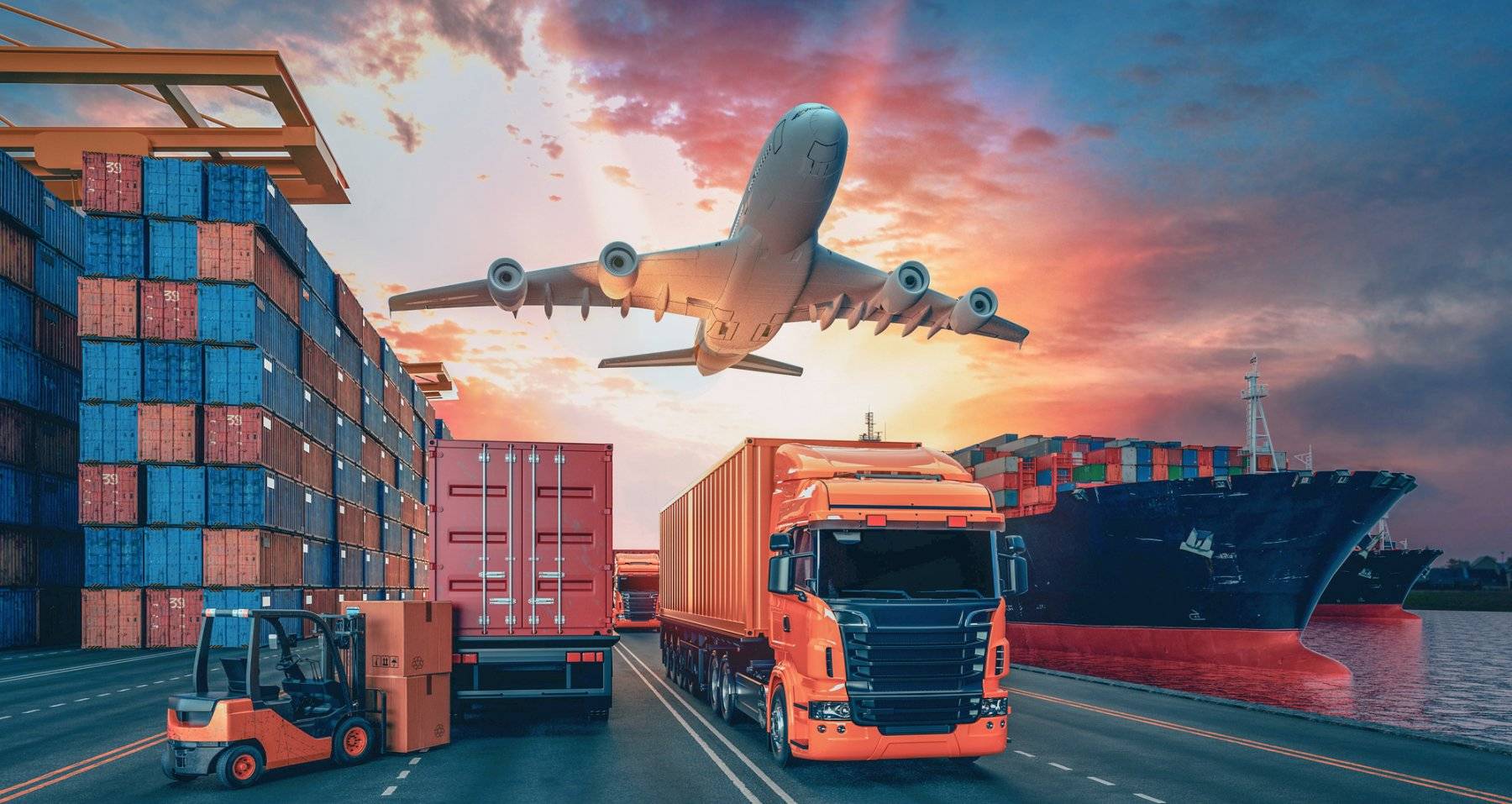
Intermodal transportation combines multiple modes of transport, such as rail, road, and sea, to create a more flexible and cost-effective supply chain. Utilizing the strengths of each mode—such as the cost-effectiveness of rail and the accessibility of trucks—helps reduce transit times and costs. Intermodal solutions are particularly effective for long-distance and international freight.
5. Predictive Maintenance
Applying predictive maintenance strategies prolongs the lifespan of transportation assets and prevents costly breakdowns. By using data analytics to monitor the condition of vehicles and equipment, companies can schedule maintenance proactively. This approach minimizes downtime, ensures reliable deliveries, and improves overall fleet performance.
6. Sustainable Practices
Adopting eco-friendly transportation methods contributes to sustainability and efficiency. Utilizing fuel-efficient vehicles, optimizing driving behavior, and adopting alternative fuels reduce carbon emissions and operational costs. Sustainable practices not only meet compliance standards but also enhance a company’s reputation among eco-conscious consumers.
7. Leveraging Technology and Automation
Incorporating technology and automation into logistics operations streamlines processes and enhances accuracy. Automated systems for scheduling, inventory management, and document handling reduce human error and save time. Technologies like blockchain ensure data integrity and offer secure transaction records, improving transparency across the supply chain.
8. Enhancing Collaboration and Communication
Efficient logistics operations require seamless communication and collaboration with all supply chain partners. Integrated platforms facilitate information sharing among manufacturers, suppliers, carriers, and customers. This connectivity improves decision-making, reduces misunderstandings, and ensures alignment across the supply chain.
9. Risk Management and Contingency Planning
Developing robust risk management strategies is essential for navigating disruptions. Identifying potential vulnerabilities and preparing contingency plans ensures business continuity during unforeseen events such as natural disasters or supply chain bottlenecks. Flexibility and adaptability are crucial for maintaining service levels and mitigating risks.
10. Continuous Improvement and Training
Regularly reviewing and refining logistics operations fosters continuous improvement. Gathering feedback, analyzing performance data, and benchmarking against industry standards identify areas for enhancement. Investing in employee training ensures that staff are equipped with the latest skills and knowledge, supporting operational excellence and innovation.
In conclusion, efficient freight transportation is achieved through a combination of advanced technologies, strategic planning, and sustainability practices. By optimizing routes, enhancing visibility, embracing intermodal solutions, and leveraging automation, companies can improve logistics operations and deliver superior service to customers. These best practices not only drive cost savings and environmental responsibility but also ensure resilience and competitiveness in the dynamic global market.