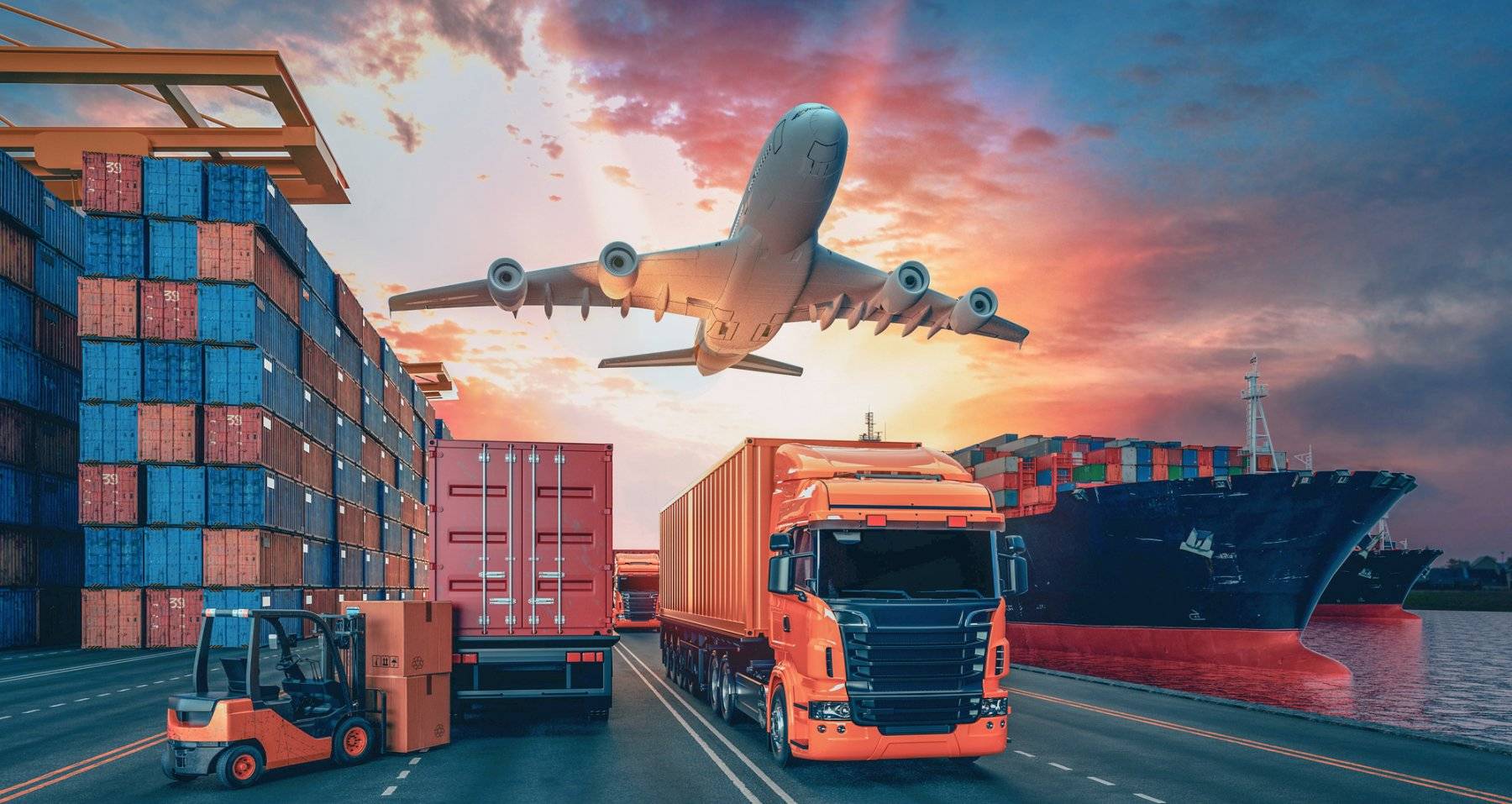
Efficient logistics are crucial for businesses to remain competitive in the global market. Modern transportation solutions leverage technology and innovative strategies to enhance logistics operations. Here are key strategies for improving logistics efficiency.
1. Implementing Advanced Tracking Systems
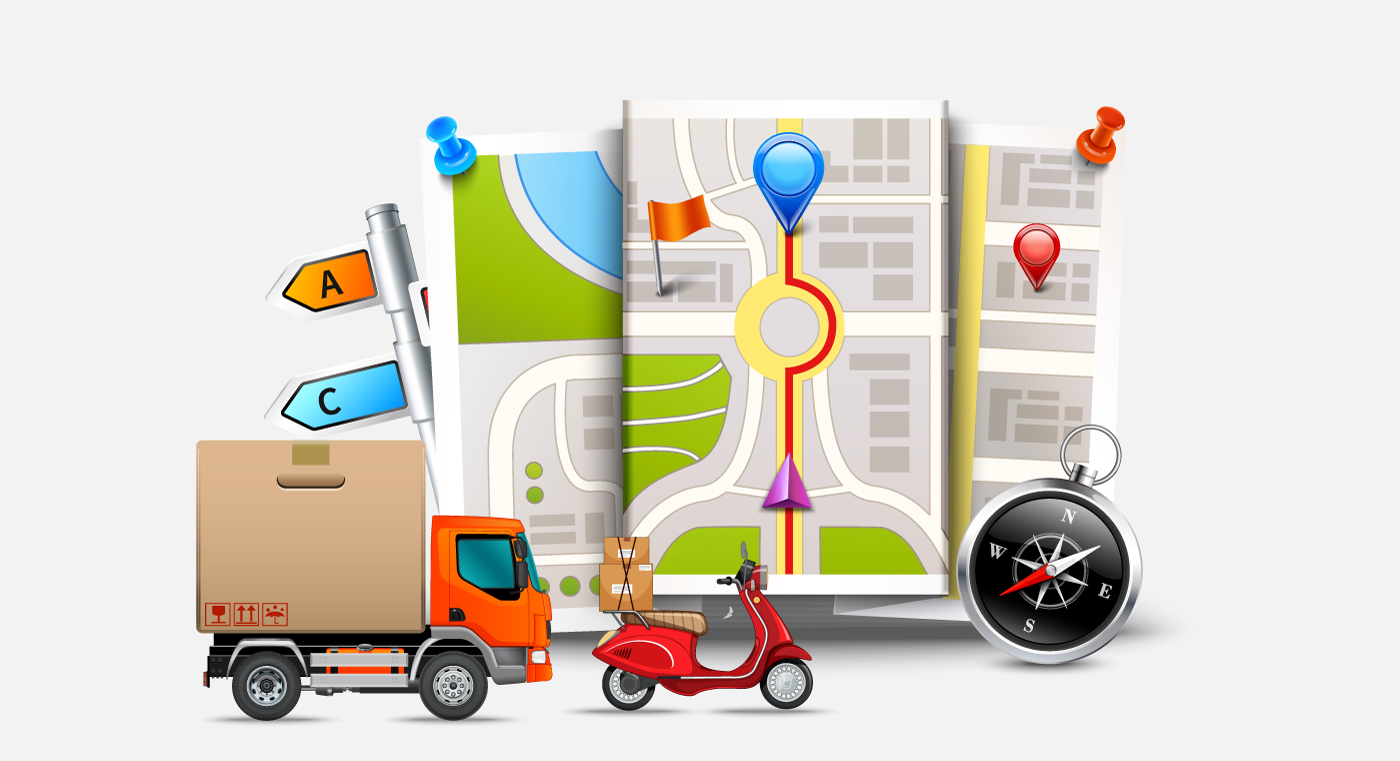
Real-time tracking systems, enabled by GPS and IoT technologies, provide end-to-end visibility of shipments. These systems track the location, condition, and status of goods throughout the supply chain. By offering real-time data, companies can quickly respond to delays or disruptions, optimize routes, and provide accurate delivery timelines to customers. Enhanced visibility boosts transparency and trust in the logistics process.
2. Optimizing Route Planning
Advanced route planning software uses AI and big data analytics to optimize delivery routes. By analyzing traffic patterns, weather conditions, and roadworks, these systems suggest the most efficient routes, reducing travel time and fuel consumption. Dynamic route optimization is particularly valuable in urban areas with unpredictable traffic conditions, ensuring timely deliveries and cost savings.
3. Embracing Automation and Robotics
Automation and robotics significantly increase efficiency in transportation and logistics operations. Automated warehouses use robotic systems for picking, packing, and sorting, reducing labor costs and improving accuracy. In transportation, autonomous vehicles and drones offer innovative delivery solutions, especially for last-mile delivery in urban environments. These technologies streamline operations and enhance productivity.
4. Integrating Supply Chain Technologies
Integrating modern technologies such as blockchain, AI, and machine learning within supply chains ensures secure, transparent, and efficient operations. Blockchain technology provides a tamper-proof record of transactions and shipments, enhancing security and trust. AI and machine learning analyze vast datasets to optimize inventory management, demand forecasting, and supply chain planning, reducing inefficiencies and costs.
5. Enhancing Collaboration and Communication
Effective communication and collaboration among supply chain partners are essential for logistics efficiency. Integrated communication platforms enable seamless information sharing and coordination among manufacturers, suppliers, and distributors. Collaboration tools improve decision-making, reduce misunderstandings, and enhance overall supply chain agility and responsiveness.
6. Prioritizing Sustainability
Sustainable practices in transportation and logistics are becoming increasingly important. Incorporating eco-friendly solutions such as electric vehicles, energy-efficient warehouses, and sustainable packaging reduces environmental impact. Optimizing routes and improving load efficiency also contribute to lower emissions. Emphasizing sustainability not only meets regulatory requirements but also enhances brand reputation.
7. Adopting Flexibility and Scalability
Modern logistics solutions must be flexible and scalable to adapt to changing market conditions and consumer demands. Cloud-based logistics platforms offer scalability, enabling businesses to adjust resources and operations quickly. Flexibility in logistics operations allows companies to respond effectively to disruptions, such as supply chain bottlenecks or shifts in demand, ensuring continuity and resilience.
8. Leveraging Data Analytics
Data analytics plays a crucial role in modern logistics, providing insights into operational performance and customer trends. By analyzing data on shipping times, costs, and customer feedback, businesses can identify patterns and areas for improvement. Predictive analytics help forecast demand, optimize inventory levels, and enhance decision-making, leading to more efficient logistics operations.
9. Enhancing Last-Mile Delivery
The last mile of delivery is a critical component of logistics that directly impacts customer satisfaction. Strategies such as crowd-sourced delivery, drone delivery, and local micro-fulfillment centers improve last-mile efficiency. By reducing delivery time and costs, these solutions enhance the customer experience and ensure competitive advantage.
In conclusion, modern transportation solutions are transforming logistics efficiency through the integration of advanced technologies and innovative strategies. By implementing real-time tracking, optimizing routes, embracing automation, enhancing collaboration, prioritizing sustainability, leveraging data analytics, and improving last-mile delivery, businesses can significantly enhance logistics operations. These strategies ensure faster, more reliable, and cost-effective supply chains, driving growth and success in the global market.