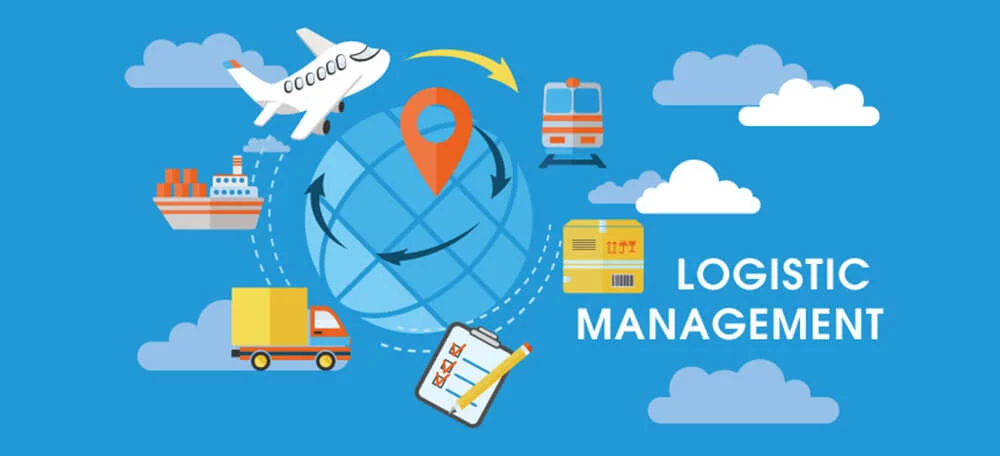
Transportation networks are the lifeblood of logistics management, ensuring the seamless movement of goods from manufacturers to consumers. Effective logistics management leverages these networks to optimize supply chain efficiency, reduce costs, and enhance customer satisfaction. Here’s a guide on how transportation networks keep businesses moving.
1. Understanding Transportation Networks
Transportation networks comprise various modes, including road, rail, air, and sea transport. Each mode has distinct advantages and is chosen based on factors such as cost, speed, and distance. Road transport is ideal for flexibility and last-mile delivery, while rail offers cost-effective options for bulk goods over long distances. Air transport provides speed for time-sensitive shipments, and sea transport is preferred for international shipping due to its cost efficiency for large volumes.
2. Optimizing Route Planning
Efficient route planning is crucial for minimizing transit times and costs. Advanced technologies such as GPS, AI, and big data analytics help optimize routes by analyzing traffic patterns, weather conditions, and other variables. Dynamic routing ensures that vehicles take the most efficient paths, reducing fuel consumption and improving delivery timelines.
3. Integrating Technology
Modern logistics management relies on technology integration to enhance transportation networks. Real-time tracking systems, powered by IoT devices, provide visibility into shipment locations and conditions. Blockchain technology ensures secure and transparent transactions, while AI aids in predictive analytics and decision-making. These technologies streamline operations and improve supply chain responsiveness.
4. Prioritizing Flexibility and Scalability
Transportation networks must be flexible and scalable to adapt to changing demands and market conditions. Cloud-based logistics platforms offer scalability, enabling businesses to quickly adjust resources and capacity. Flexibility in operations allows companies to handle disruptions, such as supply chain bottlenecks or demand shifts, with resilience and agility.
5. Enhancing Collaboration and Communication
Effective communication and collaboration among supply chain stakeholders are essential for logistics management. Integrated communication platforms facilitate seamless information sharing and coordination among manufacturers, suppliers, and distributors. Collaboration tools improve decision-making and enhance overall supply chain efficiency by ensuring that all parties are aligned and informed.
6. Emphasizing Sustainability
Incorporating sustainable practices in transportation networks is becoming increasingly important. Using eco-friendly solutions such as electric vehicles and optimized routes reduces environmental impact. Energy-efficient warehouses and sustainable packaging further contribute to sustainability goals. Companies that prioritize sustainability not only meet regulatory requirements but also improve brand reputation and appeal to environmentally conscious consumers.
7. Streamlining Last-Mile Delivery
Last-mile delivery is a critical component of logistics that directly impacts customer satisfaction. Solutions such as crowd-sourced delivery, local micro-fulfillment centers, and drone delivery improve last-mile efficiency. By reducing delivery time and costs, these innovations enhance the customer experience and provide a competitive edge in the market.
8. Leveraging Data Analytics
Data analytics plays a vital role in optimizing transportation networks. By analyzing data on shipping times, costs, and customer feedback, businesses can identify patterns and areas for improvement. Predictive analytics help forecast demand, optimize inventory levels, and enhance decision-making processes, leading to more efficient logistics operations.
9. Focusing on Risk Management
Effective logistics management includes risk management strategies to mitigate potential disruptions. Transportation networks must be resilient to challenges such as natural disasters, geopolitical tensions, and supply chain disruptions. Contingency planning, supplier diversification, and robust communication networks are essential components of risk management.
In conclusion, transportation networks are integral to logistics management, ensuring the efficient flow of goods that keeps businesses moving. By optimizing routes, integrating technology, prioritizing flexibility, enhancing collaboration, and leveraging data analytics, companies can enhance their transportation networks and supply chain efficiency. Emphasizing sustainability and effective risk management further strengthens logistical operations, driving success in the competitive global market.