Author: admin

  • Logistics and Transportation Planning: How Businesses Optimize Delivery and Distribution

    Logistics and Transportation Planning: How Businesses Optimize Delivery and Distribution

    Efficient logistics and transportation planning are critical components of successful supply chain management. By optimizing delivery and distribution, businesses can enhance operational efficiency, reduce costs, and improve customer satisfaction. Here’s how businesses optimize these aspects to thrive in today’s competitive market.

    1. Advanced Route Optimization

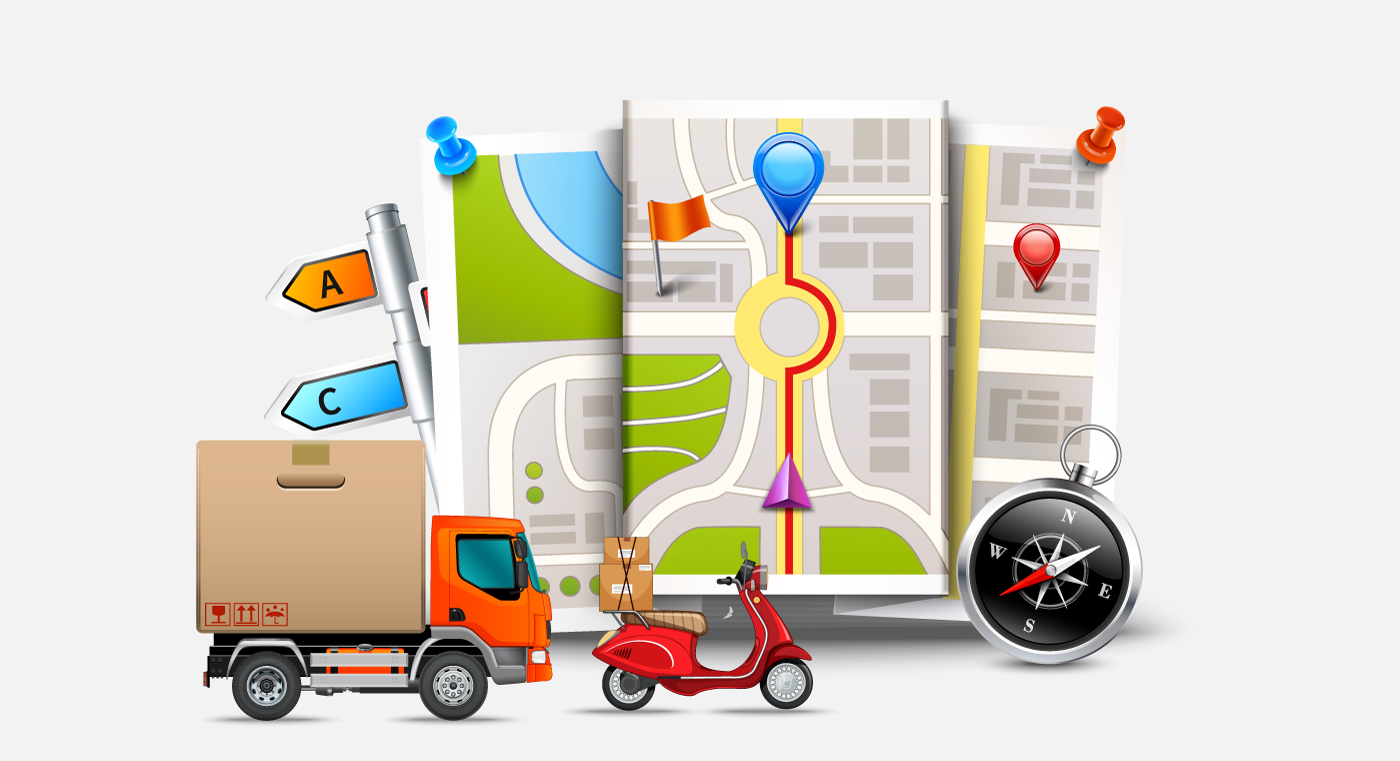
    Route optimization is crucial for minimizing delivery times and fuel consumption. Businesses use sophisticated software that analyzes real-time data, traffic conditions, and delivery windows to determine the most efficient routes. Dynamic routing allows for adjustments on the fly, ensuring punctual deliveries and cost savings.

    2. Real-time Tracking and Visibility

    Integrating real-time tracking systems provides end-to-end visibility of shipments. GPS and IoT technologies allow businesses to monitor the progress and condition of goods, offering insights into potential delays or issues. This transparency enhances communication with stakeholders and helps build trust with customers by providing accurate delivery timelines.

    3. Demand Forecasting and Inventory Management

    Accurate demand forecasting and inventory management are essential for optimizing delivery and distribution. Businesses use data analytics and AI to predict demand fluctuations and manage inventory levels efficiently. This approach ensures the right products are available at the right time, reducing stockouts and excess inventory costs.

    4. Load Optimization and Consolidation

    Maximizing load capacity is a key strategy for reducing transportation costs. Load optimization techniques ensure vehicles are fully utilized, while consolidation strategies combine multiple shipments into fewer deliveries. This practice decreases the number of trips required, leading to lower fuel consumption and improved efficiency.

    5. Embracing Technology and Automation

    The adoption of technology and automation streamlines logistics processes. Automated systems for scheduling, inventory tracking, and documentation reduce human error and save time. Technologies like blockchain enhance data integrity and security, ensuring transparent and efficient supply chain operations.

    6. Utilizing Intermodal Transportation

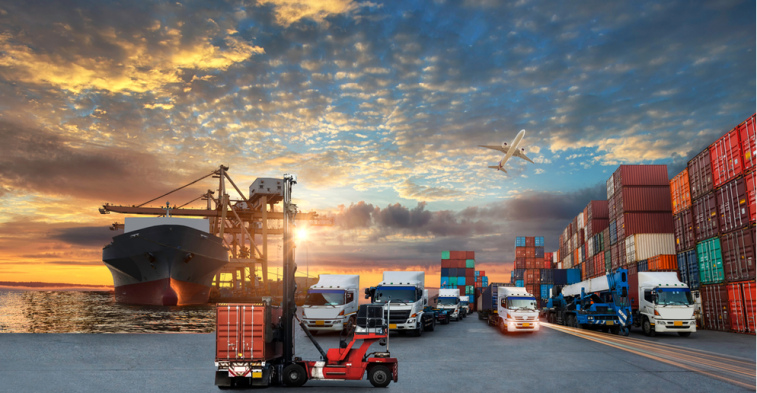
    Intermodal transportation combines multiple modes of transport, such as road, rail, and sea, to create flexible and cost-effective logistics solutions. By leveraging the strengths of each mode, businesses can reduce transit times and costs. Intermodal approaches are particularly beneficial for long-distance and international shipping.

    7. Sustainable Practices

    Implementing sustainable logistics practices is increasingly important. Businesses adopt eco-friendly vehicles, optimize routes, and use alternative fuels to reduce carbon emissions and operational costs. Sustainable practices not only meet regulatory standards but also enhance a company’s reputation among environmentally conscious consumers.

    8. Enhancing Collaboration and Communication

    Effective communication among supply chain partners is essential for optimizing logistics. Integrated platforms facilitate seamless information sharing with manufacturers, suppliers, and distributors. This collaboration improves decision-making, minimizes misunderstandings, and ensures alignment across the supply chain.

    9. Risk Management and Contingency Planning

    Developing robust risk management strategies helps navigate disruptions. Identifying potential vulnerabilities and creating contingency plans ensures business continuity during unforeseen events such as natural disasters or supply chain bottlenecks. Flexibility and adaptability are crucial for maintaining service levels and mitigating risks.

    10. Continuous Improvement and Training

    Businesses prioritize continuous improvement by regularly reviewing logistics operations. Analyzing performance data, gathering feedback, and benchmarking against industry standards help identify areas for enhancement. Investing in employee training ensures that staff are equipped with the latest skills and knowledge, promoting innovation and operational excellence.

    In conclusion, optimizing delivery and distribution involves a combination of advanced technologies, strategic planning, and sustainable practices. By focusing on route optimization, real-time tracking, demand forecasting, and collaboration, businesses can enhance logistics efficiency and deliver superior service to customers. These strategies not only drive cost savings and environmental responsibility but also ensure resilience and competitiveness in the global market. As businesses continue to innovate, logistics and transportation planning will play a pivotal role in shaping the future of supply chain management.

  • Efficient Freight Transportation: Best Practices for Modern Logistics Operations

    Efficient Freight Transportation: Best Practices for Modern Logistics Operations

    Efficient freight transportation is crucial for modern logistics operations, ensuring timely deliveries, cost savings, and customer satisfaction. By implementing best practices, businesses can optimize their supply chain and remain competitive in today’s fast-paced market. Here are key strategies for achieving efficient freight transportation.

    1. Advanced Route Optimization

    Utilizing advanced route optimization software enhances delivery efficiency. By analyzing traffic patterns, road conditions, and delivery windows, these systems suggest the most effective routes. Dynamic routing allows for real-time adjustments, reducing transit times and fuel consumption. This capability ensures punctual deliveries and minimizes transportation costs.

    2. Real-time Tracking and Visibility

    Real-time tracking provides end-to-end visibility of shipments, allowing companies to monitor the progress and condition of goods. GPS and IoT technologies offer precise location data and environmental monitoring, such as temperature or humidity levels. This transparency improves communication with stakeholders, facilitates prompt issue resolution, and builds trust with customers.

    3. Load Optimization

    Maximizing load capacity is essential for reducing transportation costs. Implementing load optimization techniques ensures that vehicles are utilized to their fullest potential. Efficient packing strategies and consolidation of smaller shipments prevent underused space, leading to fewer trips and reduced fuel consumption. This practice enhances operational efficiency and sustainability.

    4. Embracing Intermodal Transportation

    Intermodal transportation combines multiple modes of transport, such as rail, road, and sea, to create a more flexible and cost-effective supply chain. Utilizing the strengths of each mode—such as the cost-effectiveness of rail and the accessibility of trucks—helps reduce transit times and costs. Intermodal solutions are particularly effective for long-distance and international freight.

    5. Predictive Maintenance

    Applying predictive maintenance strategies prolongs the lifespan of transportation assets and prevents costly breakdowns. By using data analytics to monitor the condition of vehicles and equipment, companies can schedule maintenance proactively. This approach minimizes downtime, ensures reliable deliveries, and improves overall fleet performance.

    6. Sustainable Practices

    Adopting eco-friendly transportation methods contributes to sustainability and efficiency. Utilizing fuel-efficient vehicles, optimizing driving behavior, and adopting alternative fuels reduce carbon emissions and operational costs. Sustainable practices not only meet compliance standards but also enhance a company’s reputation among eco-conscious consumers.

    7. Leveraging Technology and Automation

    Incorporating technology and automation into logistics operations streamlines processes and enhances accuracy. Automated systems for scheduling, inventory management, and document handling reduce human error and save time. Technologies like blockchain ensure data integrity and offer secure transaction records, improving transparency across the supply chain.

    8. Enhancing Collaboration and Communication

    Efficient logistics operations require seamless communication and collaboration with all supply chain partners. Integrated platforms facilitate information sharing among manufacturers, suppliers, carriers, and customers. This connectivity improves decision-making, reduces misunderstandings, and ensures alignment across the supply chain.

    9. Risk Management and Contingency Planning

    Developing robust risk management strategies is essential for navigating disruptions. Identifying potential vulnerabilities and preparing contingency plans ensures business continuity during unforeseen events such as natural disasters or supply chain bottlenecks. Flexibility and adaptability are crucial for maintaining service levels and mitigating risks.

    10. Continuous Improvement and Training

    Regularly reviewing and refining logistics operations fosters continuous improvement. Gathering feedback, analyzing performance data, and benchmarking against industry standards identify areas for enhancement. Investing in employee training ensures that staff are equipped with the latest skills and knowledge, supporting operational excellence and innovation.

    In conclusion, efficient freight transportation is achieved through a combination of advanced technologies, strategic planning, and sustainability practices. By optimizing routes, enhancing visibility, embracing intermodal solutions, and leveraging automation, companies can improve logistics operations and deliver superior service to customers. These best practices not only drive cost savings and environmental responsibility but also ensure resilience and competitiveness in the dynamic global market.

  • Transportation and Logistics Trends: Innovations Shaping the Supply Chain Industry

    Transportation and Logistics Trends: Innovations Shaping the Supply Chain Industry

    The transportation and logistics sector is experiencing rapid transformation, driven by technological advancements and evolving consumer demands. These innovations are reshaping the supply chain industry, enhancing efficiency, sustainability, and customer satisfaction. Here are key trends shaping the future of transportation and logistics.

    1. Automation and Robotics

    Automation and robotics are revolutionizing logistics operations. Automated warehouses deploy robots for picking, packing, and sorting, reducing human error and increasing speed. Autonomous vehicles and drones are emerging as innovative solutions for efficient deliveries, particularly in last-mile logistics. These technologies streamline processes and reduce costs, enhancing overall productivity.

    2. Internet of Things (IoT) Integration

    The IoT is providing unparalleled visibility and control within supply chains. IoT devices equipped with sensors offer real-time tracking of shipments, monitoring conditions such as temperature and humidity. This connectivity ensures precise inventory management and immediate response to potential issues, reducing delays and enhancing reliability.

    3. Data Analytics and Artificial Intelligence (AI)

    Data analytics and AI are integral to optimizing logistics operations. By analyzing vast amounts of data, AI algorithms improve demand forecasting, route optimization, and inventory management. Predictive analytics help companies anticipate challenges and opportunities, enhancing decision-making and strategic planning. This data-driven approach fosters more efficient and agile supply chains.

    4. Blockchain Technology

    Blockchain technology is revolutionizing supply chain transparency and security. By creating immutable and decentralized records, blockchain ensures authenticity and reduces fraud. It facilitates seamless information sharing among stakeholders, improving traceability and accountability. This transparency builds trust and streamlines supply chain processes.

    5. Sustainable Practices

    Sustainability is a growing priority in logistics. Companies are adopting eco-friendly practices such as using electric vehicles, optimizing routes, and implementing energy-efficient warehouses. Sustainable packaging and waste reduction initiatives further reduce environmental impact. These practices not only meet regulatory requirements but also appeal to environmentally conscious consumers.

    6. E-commerce and Omni-channel Logistics

    The surge in e-commerce has led to a demand for efficient omni-channel logistics. Companies are developing integrated systems to manage sales across various platforms, ensuring seamless inventory management and delivery. This trend requires logistics providers to be agile and responsive to fluctuating consumer demands and preferences.

    7. Last-mile Delivery Innovations

    Innovations in last-mile delivery are enhancing customer satisfaction. Autonomous delivery vehicles, drones, and crowd-sourced delivery models provide flexible and efficient solutions for reaching consumers in urban areas. These advancements reduce delivery times and costs, meeting the needs of today’s fast-paced market.

    8. Predictive Maintenance

    Predictive maintenance is utilizing data analytics to foresee equipment failures before they occur. By monitoring machinery and vehicles in real-time, companies can schedule maintenance proactively, reducing downtime and extending the lifespan of assets. This approach enhances operational efficiency and reliability.

    9. Smart Infrastructure

    Investment in smart infrastructure is facilitating efficient logistics operations. Technologies such as smart roads, traffic management systems, and connected ports improve transportation networks and reduce congestion. These developments support the smooth movement of goods, enhancing supply chain continuity.

    10. Enhanced Cybersecurity

    With increased digitalization, cybersecurity has become paramount. Protecting data integrity and privacy is crucial for maintaining trust within the supply chain. Companies are investing in advanced cybersecurity measures to guard against cyber threats, ensuring the safe and secure handling of sensitive information.

    In conclusion, the transportation and logistics industry is being reshaped by a multitude of innovations that enhance efficiency, transparency, and sustainability. Automation, IoT, AI, and blockchain are driving technological advancements, while a focus on sustainability and customer-centric approaches are guiding new practices. As the industry continues to evolve, embracing these trends will be vital for companies aiming to thrive in the competitive global market, ensuring a more resilient and responsive supply chain landscape.

  • Logistics Management Guide: How Transportation Networks Keep Businesses Moving

    Logistics Management Guide: How Transportation Networks Keep Businesses Moving

    Transportation networks are the lifeblood of logistics management, ensuring the seamless movement of goods from manufacturers to consumers. Effective logistics management leverages these networks to optimize supply chain efficiency, reduce costs, and enhance customer satisfaction. Here’s a guide on how transportation networks keep businesses moving.

    1. Understanding Transportation Networks

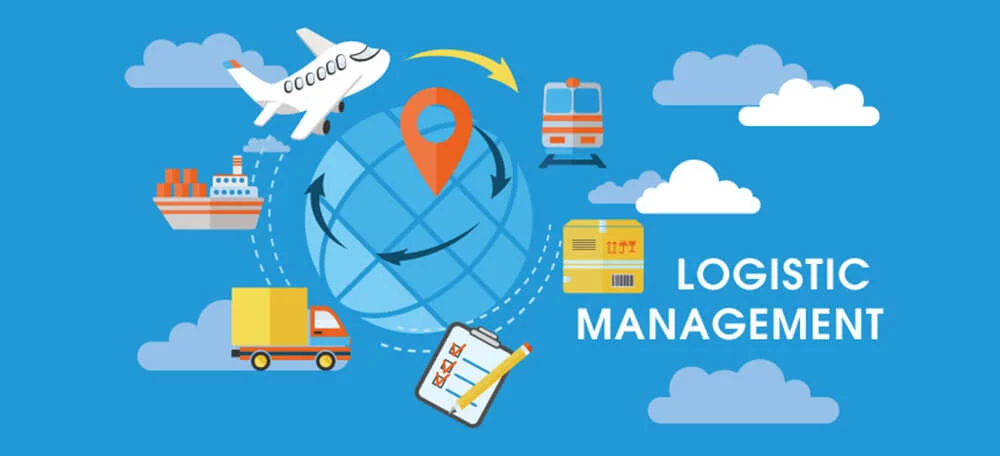
    Transportation networks comprise various modes, including road, rail, air, and sea transport. Each mode has distinct advantages and is chosen based on factors such as cost, speed, and distance. Road transport is ideal for flexibility and last-mile delivery, while rail offers cost-effective options for bulk goods over long distances. Air transport provides speed for time-sensitive shipments, and sea transport is preferred for international shipping due to its cost efficiency for large volumes.

    2. Optimizing Route Planning

    Efficient route planning is crucial for minimizing transit times and costs. Advanced technologies such as GPS, AI, and big data analytics help optimize routes by analyzing traffic patterns, weather conditions, and other variables. Dynamic routing ensures that vehicles take the most efficient paths, reducing fuel consumption and improving delivery timelines.

    3. Integrating Technology

    Modern logistics management relies on technology integration to enhance transportation networks. Real-time tracking systems, powered by IoT devices, provide visibility into shipment locations and conditions. Blockchain technology ensures secure and transparent transactions, while AI aids in predictive analytics and decision-making. These technologies streamline operations and improve supply chain responsiveness.

    4. Prioritizing Flexibility and Scalability

    Transportation networks must be flexible and scalable to adapt to changing demands and market conditions. Cloud-based logistics platforms offer scalability, enabling businesses to quickly adjust resources and capacity. Flexibility in operations allows companies to handle disruptions, such as supply chain bottlenecks or demand shifts, with resilience and agility.

    5. Enhancing Collaboration and Communication

    Effective communication and collaboration among supply chain stakeholders are essential for logistics management. Integrated communication platforms facilitate seamless information sharing and coordination among manufacturers, suppliers, and distributors. Collaboration tools improve decision-making and enhance overall supply chain efficiency by ensuring that all parties are aligned and informed.

    6. Emphasizing Sustainability

    Incorporating sustainable practices in transportation networks is becoming increasingly important. Using eco-friendly solutions such as electric vehicles and optimized routes reduces environmental impact. Energy-efficient warehouses and sustainable packaging further contribute to sustainability goals. Companies that prioritize sustainability not only meet regulatory requirements but also improve brand reputation and appeal to environmentally conscious consumers.

    7. Streamlining Last-Mile Delivery

    Last-mile delivery is a critical component of logistics that directly impacts customer satisfaction. Solutions such as crowd-sourced delivery, local micro-fulfillment centers, and drone delivery improve last-mile efficiency. By reducing delivery time and costs, these innovations enhance the customer experience and provide a competitive edge in the market.

    8. Leveraging Data Analytics

    Data analytics plays a vital role in optimizing transportation networks. By analyzing data on shipping times, costs, and customer feedback, businesses can identify patterns and areas for improvement. Predictive analytics help forecast demand, optimize inventory levels, and enhance decision-making processes, leading to more efficient logistics operations.

    9. Focusing on Risk Management

    Effective logistics management includes risk management strategies to mitigate potential disruptions. Transportation networks must be resilient to challenges such as natural disasters, geopolitical tensions, and supply chain disruptions. Contingency planning, supplier diversification, and robust communication networks are essential components of risk management.

    In conclusion, transportation networks are integral to logistics management, ensuring the efficient flow of goods that keeps businesses moving. By optimizing routes, integrating technology, prioritizing flexibility, enhancing collaboration, and leveraging data analytics, companies can enhance their transportation networks and supply chain efficiency. Emphasizing sustainability and effective risk management further strengthens logistical operations, driving success in the competitive global market.

  • Modern Transportation Solutions: Key Strategies for Improving Logistics Efficiency

    Modern Transportation Solutions: Key Strategies for Improving Logistics Efficiency

    Efficient logistics are crucial for businesses to remain competitive in the global market. Modern transportation solutions leverage technology and innovative strategies to enhance logistics operations. Here are key strategies for improving logistics efficiency.

    1. Implementing Advanced Tracking Systems

    Real-time tracking systems, enabled by GPS and IoT technologies, provide end-to-end visibility of shipments. These systems track the location, condition, and status of goods throughout the supply chain. By offering real-time data, companies can quickly respond to delays or disruptions, optimize routes, and provide accurate delivery timelines to customers. Enhanced visibility boosts transparency and trust in the logistics process.

    2. Optimizing Route Planning

    Advanced route planning software uses AI and big data analytics to optimize delivery routes. By analyzing traffic patterns, weather conditions, and roadworks, these systems suggest the most efficient routes, reducing travel time and fuel consumption. Dynamic route optimization is particularly valuable in urban areas with unpredictable traffic conditions, ensuring timely deliveries and cost savings.

    3. Embracing Automation and Robotics

    Automation and robotics significantly increase efficiency in transportation and logistics operations. Automated warehouses use robotic systems for picking, packing, and sorting, reducing labor costs and improving accuracy. In transportation, autonomous vehicles and drones offer innovative delivery solutions, especially for last-mile delivery in urban environments. These technologies streamline operations and enhance productivity.

    4. Integrating Supply Chain Technologies

    Integrating modern technologies such as blockchain, AI, and machine learning within supply chains ensures secure, transparent, and efficient operations. Blockchain technology provides a tamper-proof record of transactions and shipments, enhancing security and trust. AI and machine learning analyze vast datasets to optimize inventory management, demand forecasting, and supply chain planning, reducing inefficiencies and costs.

    5. Enhancing Collaboration and Communication

    Effective communication and collaboration among supply chain partners are essential for logistics efficiency. Integrated communication platforms enable seamless information sharing and coordination among manufacturers, suppliers, and distributors. Collaboration tools improve decision-making, reduce misunderstandings, and enhance overall supply chain agility and responsiveness.

    6. Prioritizing Sustainability

    Sustainable practices in transportation and logistics are becoming increasingly important. Incorporating eco-friendly solutions such as electric vehicles, energy-efficient warehouses, and sustainable packaging reduces environmental impact. Optimizing routes and improving load efficiency also contribute to lower emissions. Emphasizing sustainability not only meets regulatory requirements but also enhances brand reputation.

    7. Adopting Flexibility and Scalability

    Modern logistics solutions must be flexible and scalable to adapt to changing market conditions and consumer demands. Cloud-based logistics platforms offer scalability, enabling businesses to adjust resources and operations quickly. Flexibility in logistics operations allows companies to respond effectively to disruptions, such as supply chain bottlenecks or shifts in demand, ensuring continuity and resilience.

    8. Leveraging Data Analytics

    Data analytics plays a crucial role in modern logistics, providing insights into operational performance and customer trends. By analyzing data on shipping times, costs, and customer feedback, businesses can identify patterns and areas for improvement. Predictive analytics help forecast demand, optimize inventory levels, and enhance decision-making, leading to more efficient logistics operations.

    9. Enhancing Last-Mile Delivery

    The last mile of delivery is a critical component of logistics that directly impacts customer satisfaction. Strategies such as crowd-sourced delivery, drone delivery, and local micro-fulfillment centers improve last-mile efficiency. By reducing delivery time and costs, these solutions enhance the customer experience and ensure competitive advantage.

    In conclusion, modern transportation solutions are transforming logistics efficiency through the integration of advanced technologies and innovative strategies. By implementing real-time tracking, optimizing routes, embracing automation, enhancing collaboration, prioritizing sustainability, leveraging data analytics, and improving last-mile delivery, businesses can significantly enhance logistics operations. These strategies ensure faster, more reliable, and cost-effective supply chains, driving growth and success in the global market.

  • The Future of Logistics: How Smart Transportation Systems Are Transforming Global Supply Chains

    The Future of Logistics: How Smart Transportation Systems Are Transforming Global Supply Chains

    Smart transportation systems are revolutionizing global supply chains by enhancing efficiency, transparency, and sustainability. With advancements in technology, these systems are addressing logistical challenges and creating new opportunities for businesses worldwide. Here’s how smart transportation is transforming supply chains.

    1. Enhanced Efficiency

    Smart transportation systems use technologies such as the Internet of Things (IoT), artificial intelligence (AI), and big data analytics to optimize logistics and operations. IoT devices provide real-time tracking of vehicles and goods, allowing companies to monitor progress and make data-driven decisions. AI algorithms analyze traffic patterns and suggest optimal routes, reducing delivery times and fuel costs. This efficiency leads to faster response times and improved customer satisfaction.

    2. Improved Transparency and Visibility

    Transparency is crucial in modern supply chains, and smart transportation provides end-to-end visibility. GPS tracking and IoT sensors offer real-time data on shipment location, condition, and status. This transparency allows stakeholders to monitor the entire supply chain, predict potential disruptions, and enhance communication. Increased visibility helps build trust with customers and partners by providing accurate information on delivery schedules and inventory status.

    3. Cost Reduction

    By optimizing routes and reducing fuel consumption, smart transportation systems can significantly lower operational costs. Predictive analytics forecast demand and optimize asset utilization, minimizing empty backhauls and underutilized resources. Automated systems reduce paperwork and labor costs, while real-time monitoring prevents costly delays and inefficiencies. These cost savings contribute to more competitive pricing and increased profitability.

    4. Increased Safety and Security

    Smart transportation systems enhance safety by incorporating technology such as telematics and advanced driver-assistance systems (ADAS). Telematics provide data on driver behavior and vehicle condition, enabling proactive maintenance and driver training. ADAS, including collision avoidance and lane-keeping systems, reduce the risk of accidents. Enhanced security measures, such as blockchain technology, ensure the integrity of goods, minimizing the risk of theft and fraud.

    5. Environmental Sustainability

    Sustainability is a growing concern for global supply chains, and smart transportation systems play a vital role in reducing environmental impact. Optimized routes and efficient vehicle operation cut fuel consumption and emissions. Moreover, integrating electric and hybrid vehicles into fleets contributes to greener logistics. By incorporating sustainability into logistics strategies, companies can meet regulatory requirements and fulfill corporate social responsibility goals.

    6. Flexibility and Adaptability

    Smart transportation systems enable greater flexibility and adaptability within supply chains. Real-time data and analytics allow companies to respond quickly to disruptions such as weather events or logistical bottlenecks. Dynamic routing and scheduling can adapt to changing conditions, maintaining service levels even in challenging circumstances. This agility ensures supply chain resilience and continuity.

    7. Integration with Other Technologies

    Smart transportation systems often integrate with other advanced technologies, enhancing their impact on supply chains. For example, combining IoT with blockchain technology ensures secure and transparent data sharing across stakeholders. Integration with warehouse automation and robotics further streamlines operations, creating a seamless end-to-end supply chain experience.

    8. Enhanced Customer Experience

    By improving efficiency, transparency, and reliability, smart transportation systems enhance the overall customer experience. Real-time tracking provides customers with accurate delivery information and updates, reducing uncertainty and improving satisfaction. Quick, reliable service fosters customer loyalty and strengthens brand reputation, ultimately driving business success.

    In conclusion, smart transportation systems are revolutionizing global supply chains by introducing advanced technologies that enhance efficiency, transparency, and sustainability. By optimizing logistics, reducing costs, increasing safety, and promoting environmental responsibility, these systems are reshaping the way goods are transported worldwide. As technology continues to advance, the integration and evolution of smart transportation systems will further transform supply chains, driving innovation and competitiveness in the global market.